As part of our new series of insights from frontline workers employed under the additional roles reimbursement scheme (ARRS), Gay Palmer, a social prescriber link worker team lead for South Southwark PCN, looks back on five years of running a social prescribing service in a diverse London borough.
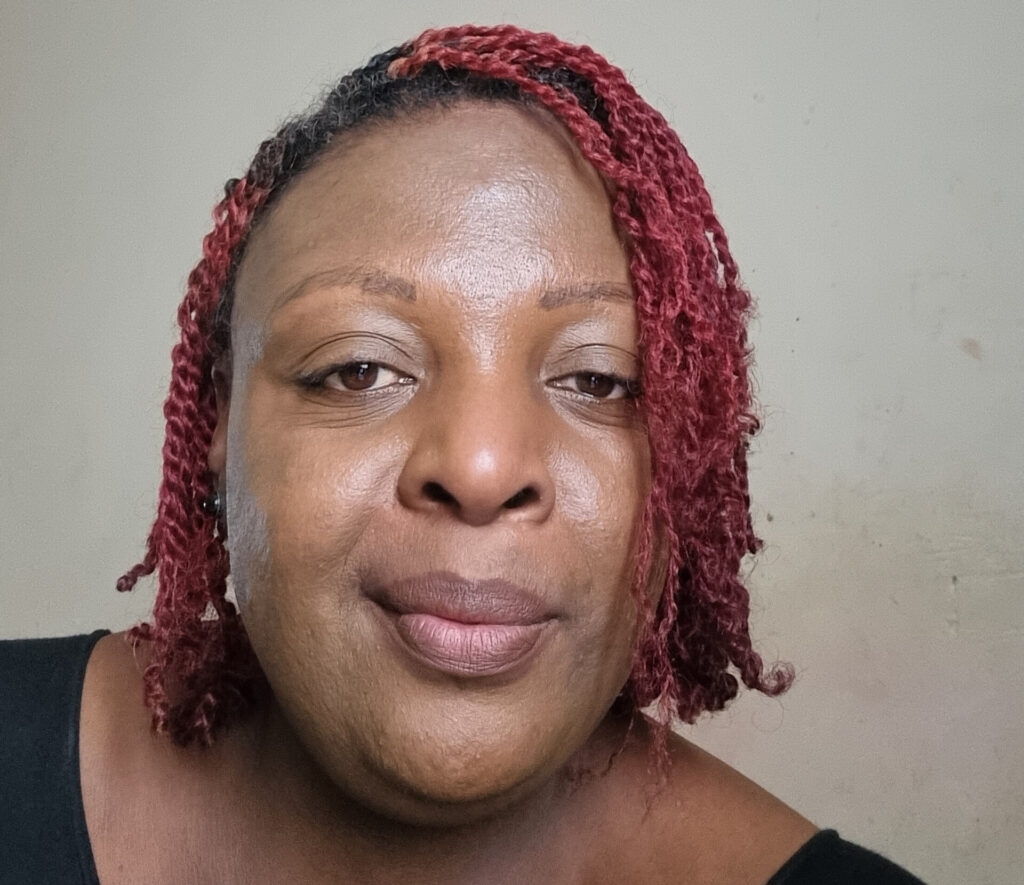
As a social prescriber with five years’ experience working for South Southwark Primary Care Network (PCN) in south east London, it’s amazing to look back to where it started in March 2020.
It was the beginning of the Covid-19 pandemic in a new PCN organisation starting its journey embedding ARRS roles against the backdrop of a very uncertain world.
But receiving 10,000 referrals over the past five years is a great achievement for our services in this challenging and diverse community.
Southwark is a large borough, with nine neighbourhoods, covered by two PCNs, hosted by two GP federations. We have a population size of approximately 320,000, covered by 32 GP practices.
It’s very diverse, with more than 120 languages spoken; 11% of households have no English speakers. Southwark has one of the largest Latin American Communities in the UK. This diversity brings such richness but also difficulties and complexities.
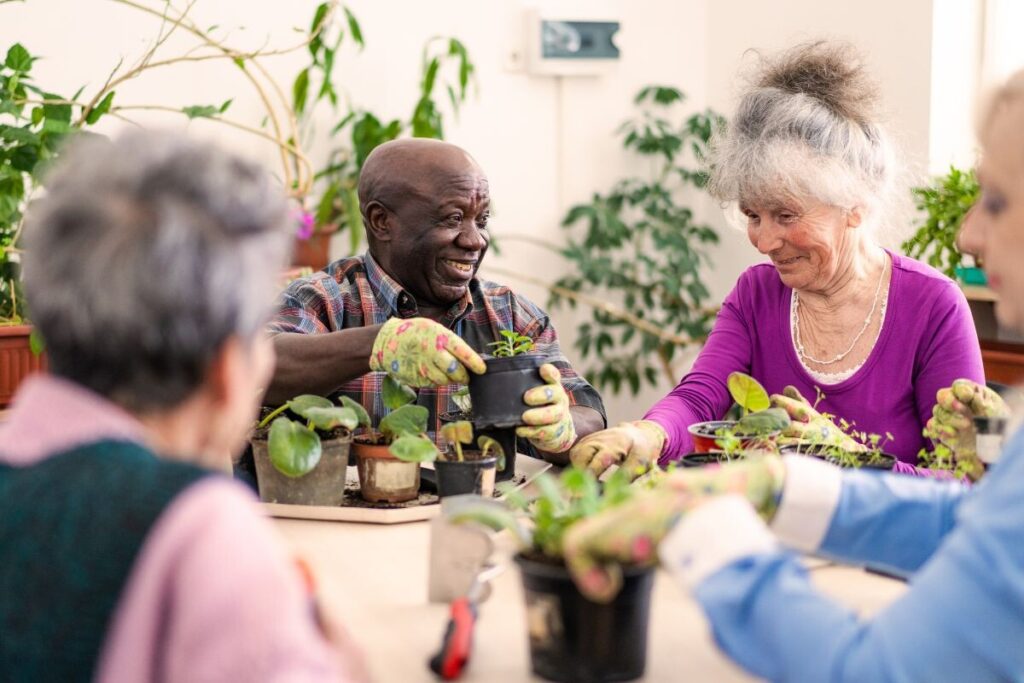
Social prescribing is embedded in GP practices and is about supporting individuals with their practical, emotional and social needs.
Our GP federation was willing to take this on as members could see the social prescribing roles would benefit the local communities and their clinicians. Crucially, they were also willing to be vulnerable and acknowledge they didn’t have all the answers. The federation’s open approach to the new roles and support has remained constant, allowing us to continue to thrive as a social prescribing service.
What we’ve learnt
Our key learning has been that there is a strong correlation between poor health and wider determinants of health. The top reasons for referrals have consistently been housing, mental health, social isolation and the cost of living – which includes, debt, unemployment and food bank access.
Many voluntary organisations, including advisory and employment organisations and day centres, have told us that the types of people requiring help is becoming more complex and they are finding it harder to offer support.
Our data – both quantitative and qualitative – suggests that the wider determinants have been key factors in driving patients’ poor health. As people have found these harder to manage or struggled to find solutions, it has impacted their physical or mental health; some have ignored their health as they don’t see it as a priority.
Our Voluntary Community Faith and Social Enterprise sector requires better funding to ensure sustainability and to really be able to offer the community the support required – and for grassroots organisations (such as PCNs) to be given money to fund these organisations, which are often the pillars of many local neighbourhoods.
Forging partnerships
The wider health system needs to maintain relationships and develop partnerships with the local community as these are the key to improving health outcomes.
Understanding our neighbourhoods and community challenges – such as language barriers, access to services, lack of knowledge, finance, housing, isolation – but also their amazing resilience, is a core attribute of the organisations who serve the communities so well. They provide a place for fun, connection, hope, refuge and for skilled professionals across the system who have a desire to see change.
The success of our social prescribing service has relied on stakeholder engagement and building relationships. This has taken time, which is a precious commodity. Initially, being online meant that the barriers were fewer and we were focused on the same goals which helped to build a good foundation.
We have grown from there, meeting face to face and gaining a perspective on the complexities of service provision but also establishing the common aspects and how can we work together.
This has led to us partnering with Dulwich Picture Gallery, which won three years of funding to develop creative workshops at a local health centre, including creative health learning sessions for link workers.
We have also partnered with local mental health organisation Together UK and have a successful project for senior mental health and wellbeing workers. The project has successfully gained slightly reduced funding of £190K for another year from the NHS South East London ICB.
We have also worked with our local adult social care service to review its referral process and trial an online approach, and we have a good working relationship with our housing teams.
It hasn’t always been straightforward, however. We were met with uncertainty and people asking, ‘who are you?’ and ‘what can you actually do?’
The Voluntary Community Faith and Social Enterprise (VCSFE) sector met us with uncertainty as it was already established and it has taken to build trust and to look for solutions to support it better.
Demonstrating impact
Stakeholders want data to understand our impact, but finding a universal approach has been difficult, as the cost of an IT system which can obtain and collate data is high. Different approaches have also meant that a reporting approach has had to be adapted according to the audience.
With clinicians, the power of the patient story has become the greatest evidence. Time after time, they have been amazed, relieved and happy when patients have come back into the surgery ready to focus on their actual health needs – rather than with the same, ongoing non-health-related issues – or have attended feeling supported, heard, valued and seen.
Having received more than 10,000 referrals in the last five years we plan to continue to raise the profile and benefits of social prescribing to the wider system.
We plan to work more with other ARRS roles such as pharmacists and health and wellbeing coaches so that we are ready to be an important key player in integrated neighbourhood working; we have established ourselves as a connector to residents, local communities, primary care, secondary care, the VCSFE and ICB.
We will also raise the key point that funding for an organisation which straddles sectors is sustainable and supports the health needs of the community.