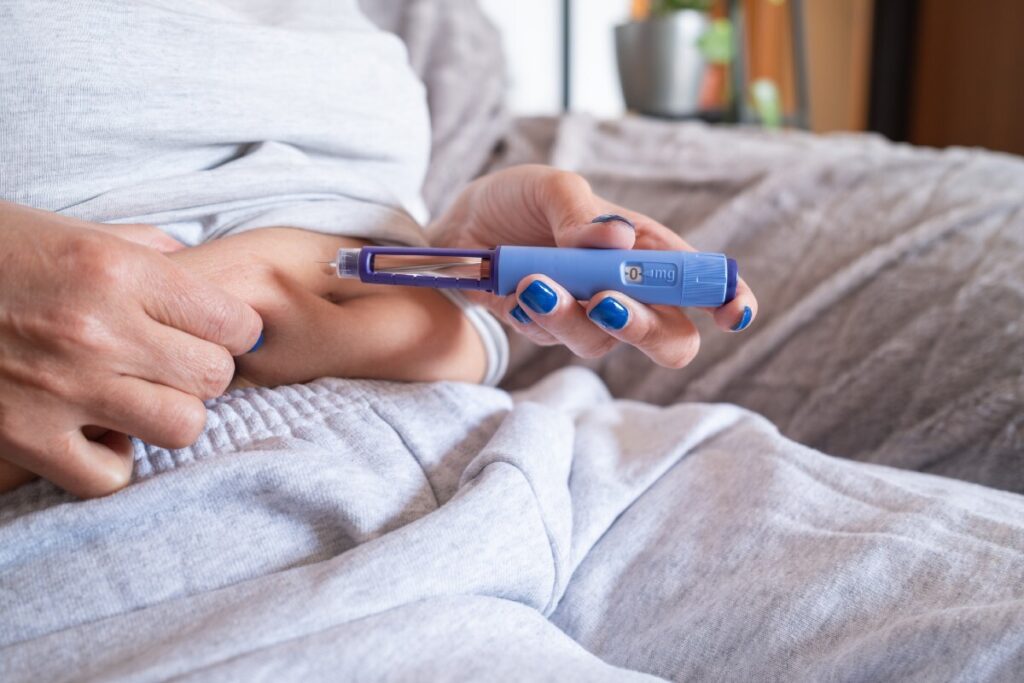
St Helens South PCN is piloting a PCN-led weight management service for patients on Mounjaro on behalf of the wider system. Clinical director Dr Chibby Orjiekwe explains more.
In June 2025, NHS England created a Local Enhanced Service (LES) to support the delivery of tirzepatide - Mounjaro - to defined patient groups. In October 2025, St Helens South PCN, working on behalf of the wider St Helens system, established a PCN-led weight management service.
The service combines pharmacological treatment with structured wellbeing support from partner REED, aiming to address the behavioural and psychological barriers that can affect weight management.
Eligible patients are offered Mounjaro alongside lifestyle advice in line with NICE guidance, with optional REED wellbeing support. The service is a fully funded, nine-month, evidence-based lifestyle change programme for patients prescribed Mounjaro.
Aim
The primary aim was to assess the level of weight loss achievable through a PCN-managed Mounjaro service. In addition, the PCN wanted to assess the impact of REED wellbeing support on engagement, retention, wellbeing and weight-loss outcomes.
The REED service provides comprehensive, person-centred support for patients using weight loss medication, seeking to address obesity as a chronic, multifactorial condition, rather than a matter of willpower. The support therefore focuses on health literacy and self-efficacy. It promotes sustainable long-term behaviour change by supporting informed, personalised choices around activity, diet and emotional health.
Studies have shown that Mounjaro can result in significant weight loss, including reductions of around 20% in some trials. However, as a meta-analysis published in The BMJ showed, weight regain can occur after treatment stops. We wanted to explore whether the REED support could improve upon this.
A third aim was to assess whether Mounjaro improved diabetic control. Some studies and anecdotal evidence suggest that Mounjaro can support diabetes remission, so we were keen to explore this.
Finally, we wanted to see whether this approach could serve as a basis for service redesign, supporting a shift in obesity care from secondary and tertiary services into the community.
Approach
St Helens South PCN offered to provide the service for the whole locality using a hub-and-spoke model. Most consultations took place at Bowery Medical Centre, with satellite provision available at other GP sites.
Patients were divided into cohorts based on body mass index (BMI) and co-morbidities. Cohort 1 comprised patients with a BMI of more than 40 and specified co-morbidities, including type 2 diabetes, obstructive sleep apnoea, essential hypertension, dyslipidaemia and ischaemic heart disease.
This group represented patients likely to face some of the greatest barriers to weight management and to benefit most from targeted support. There are 60 patients in the cohort, with an average age of 60.85 years. Most lived in areas of high deprivation, and at least 40% had diabetes.
As one of the aims was to explore the impact on diabetes control, the PCN recorded patients’ HbA1c levels at the start of treatment and at their three- or six-month follow-up appointments. Of the 60 patients in the cohort, there are 48 for whom there is complete data for analysis (ie HbA1c/ lipid profile).
Method
The service is run through group consultations, with a GP facilitator and a pharmacist responsible for delivering the introductory sessions with patients. It is also supported by care coordinators and social prescribers, who are responsible for booking initial appointments, review appointments and managing queries.
In addition to the REED support, we introduced the Freshwell app, which was created by Dr David Unwin, a GP with an extended role (GPwER) in diabetes care, and other clinicians. The objective is to promote food with a low glycaemic index and other interventions to improve weight loss and diabetes control. Dr Unwin, an RCGP diabetes champion, has used this approach in his Southport surgery, where it has supported diabetes remission.
After a patient has been referred by a GP, they are contacted within five to ten working days for an initial assessment.
Participants then attend 13 group sessions, each lasting 90 minutes, or access support through a digital app. Throughout the programme, they focus on topics including nutrition, exercise and behavioural change.
Almost all patients had an initial group consultation when starting therapy, facilitated by a GP and supported by the pharmacist. The care coordination team recorded weight and blood pressure measurements and arranged follow-up appointments.
Outcomes
Cohort 1 demonstrated clinically meaningful weight loss. Most patients - 94% - engaged with REED support.
The average weight in the cohort at the start of the service was 133.89kg. By week 12, the average weight loss was 7.66% and by week 24, it was 14.32%. The 12-week retention rate was 64.4%, while the medication discontinuation rate was 0%.
The average HbA1c at the start of the project was 48mmol/mol. From month three onwards, the average HbA1c was 40mmol/mol - a drop of 16.67%.
Low-density lipoprotein (LDL) cholesterol also fell. At the start, the average LDL cholesterol was 2.09mmol/l and, from week 12 onwards, it was 1.52mmol/l - a reduction of 27.2%.
A patient survey was carried out to assess patients’ attitudes towards wellbeing support alongside GLP-1 medication. The intention-to-treat analysis included patients across all the PCNs in our area, not only those in Cohort 1. There were 60 patients in the survey cohort, of whom 31 completed the survey.
The survey explored the types of support patients wanted. Dietetic support, digital app-based tracking, exercise referral and mental health support were all listed. At least 20% of respondents said they were interested in group consultations to help them achieve their goals.
Future
The service is ongoing but already Cohort 1 has demonstrated a PCN-led approach that combines structured support with Mounjaro could help achieve outcomes for obesity management. The pilot showed that it is cost effective and has the potential to reduce future demand for Tier 3 weight management services.
For example, 55% of the cohort had at least 9.7% weight loss by week 16, which compares favourably with other weight management services. It is especially encouraging given that some patients in Cohort 1 had been on the waiting list for bariatric surgery but subsequently cancelled.
The results will help commissioners plan service delivery, particularly in light of the new Quality and Outcomes Framework indicators for obesity, OB004 on referral and OB005 on treatment, with a focus on medication alongside mandatory lifestyle interventions.
The service suggests that embedding support should be a core component of the model rather than an optional add-on. We would also recommend adjusting contracts with support providers to strengthen information-sharing and record-keeping requirements.
For example, the PCN had proposed that REED updates should be recorded in EMIS, but we found patient records were not always updated. To improve this, commissioners may need to make EMIS recording a requirement.
Following the evaluation, plans to scale the model across St Helens are now being considered.