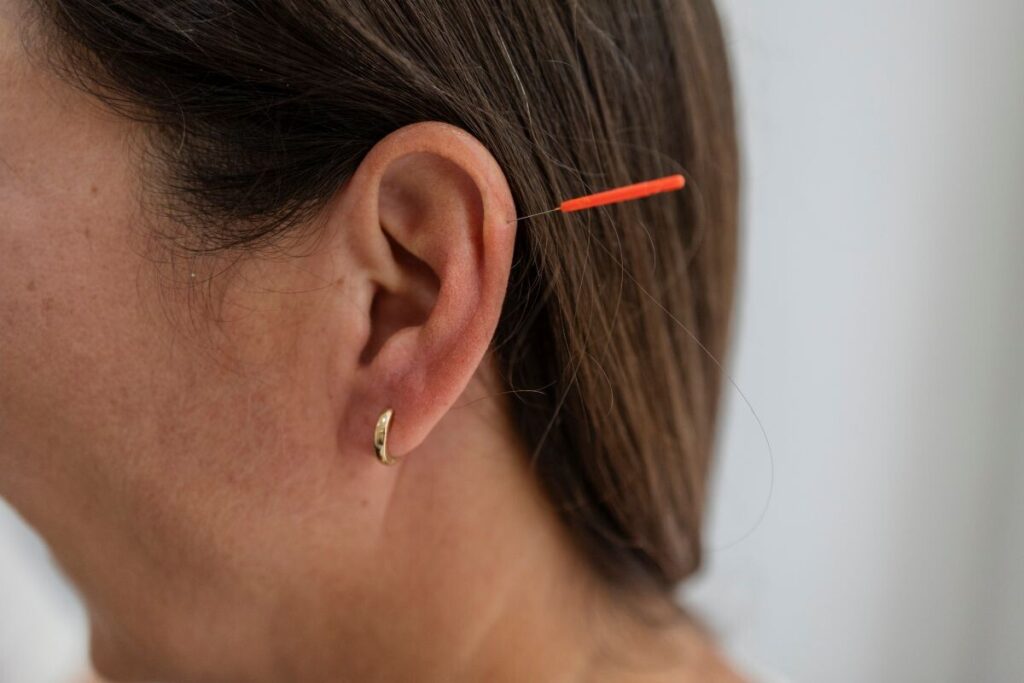
Inner Gloucester PCN runs evening and weekend acupuncture clinics for anxiety and chronic pain to help ease pressure on general practice appointments. Fleur Clackson, acupuncture clinician and co-developer of the Inner Gloucester PCN Acupuncture Project, explains more.
More than one in five adults now experience a common mental health condition, such as anxiety or depression, placing immense strain on GP services and leaving primary care teams across the UK under unprecedented pressure.
The combination of rising demand for mental health support, workforce shortages and a de-prescribing agenda has created an urgent need for innovative, cost-effective solutions. Complementary therapies, including acupuncture, are increasingly being recognised as a valuable part of the solution.
To explore the potential, Inner Gloucester PCN set up a pilot for GPs, nurses and social prescribers to refer some patients to a six-week acupuncture programme. It was such a success that the service extended beyond the pilot and has now been running for more than three years.
Aims
In 2022, Inner Gloucester PCN, comprising four practices and serving a patient population of 36,000, sought a way to provide additional cost-effective appointments, improve patient outcomes, and reduce pressure on GPs.
The PCN identified acupuncture as an option. A driving factor was that research suggests acupuncture can benefit people with depression. In addition to the evidence base, acupuncture delivered by British Acupuncture Council members is supported by Professional Standards Authority (PSA) accreditation.
In addition, research conducted in 2025 by the British Acupuncture Council - the largest member-led, professional body in the UK- found that 68% of acupuncturists reported increased demand for mental health support over the past year. It also found that 93% of acupuncturists had treated patients for mental health conditions in the past six months, suggesting a growing public appetite for non-pharmacological, holistic approaches to help people manage symptoms.
The PCN saw acupuncture as a preventative and patient-centred approach that could complement existing NHS services and support overstretched primary care teams in addressing the growing mental health need.
So, the PCN began exploring how acupuncture could be integrated into its care pathways and approached the British Acupuncture Council for advice.
Approach
The British Acupuncture Council supported the PCN in determining which clinics to establish. While GPs had requested a pain clinic, the British Acupuncture Council additionally recommended an ear acupuncture clinic for anxiety, as this could be delivered safely and effectively in groups, enabling scalable and cost-effective provision.
As a result, the PCN commissioned two weekly clinics – the first for chronic pain delivered as a one-to-one clinic and another for anxiety delivered in group sessions.
The British Acupuncture Council advertised the roles through its member network and supported the PCN manager in conducting interviews. Three practitioners were recruited – Jennie Heckford, Wendy Williams and me – and we played a central role in establishing and delivering the service.
Each clinic consists of a course of six weekly sessions of 45 minutes each. Delivered via the PCN’s Enhanced Access service, they run in the evenings and on Saturdays, avoiding additional pressure on daytime clinics.
In October 2022, the Inner Gloucester PCN Acupuncture Project began to see patients. To ensure inclusivity, there are multiple referral pathways to the anxiety clinic, including mental health nurses, social prescribers, GPs, pharmacists and self-referral.
Outcomes
For anxiety patients, we ran four clinics per week for the first two years. In January 2025, this changed to two clinics per week. As there are eight patients per clinic, several hundred have now been through the service.
And they have experienced measurable improvements, with average GAD-7 scores falling from 15.53 (severe anxiety) to 8.09 (mild anxiety).
Anecdotally, patients have reported improved sleep, a return to work, leaving their homes more easily, and reducing or eliminating reliance on medication or harmful substances. All participants said they would recommend the service to friends and family.
The clinics give GPs an additional, non‑medical option for supporting patients with pain or anxiety. While the PCN has not yet assessed whether attendance at the acupuncture clinics has reduced patients’ use of general practice, feedback from GPs, the multidisciplinary team (MDT), and patients has been overwhelmingly positive.
At a recent MDT meeting, the lead GP told us, ‘What you’re doing is making the lives of us and the patients we treat a little bit easier.’
The acupuncture clinics are linked to existing referral pathways in the primary care teams and so provide additional mental health support without adding administrative burden. The acupuncturists continue to work alongside GPs, mental health practitioners, pharmacists, and social prescribers as part of the PCN team.
Future
We have expanded the acupuncture service to include patients with osteoarthritis of the knee and plan to broaden it further. A fibromyalgia clinic is in development, and we are considering the possibility of including acupuncture as part of our weight management offer.
The Inner Gloucester project demonstrates that complementary therapies, such as acupuncture, can be a meaningful and accessible component of primary care. It has shown that acupuncture is not merely a traditional therapy but a modern, patient-centred solution.
It is modelling mental health care for the future because it is scalable, preventative, and inclusive. In addition, it complements primary care by supporting healthcare teams struggling to meet the growing demand for mental health care.
Despite this, the service remains underutilised in the NHS. Only 15% of patients reported that they received referrals from their GP, according to British Acupuncture Council research.
Barriers include limited awareness of regulation, scepticism about the evidence base, and uncertainty about referral pathways. Yet British Acupuncture Council practitioners meet rigorous standards for training, safety, and ethics, ensuring that referrals offer a quality-assured, evidence-based option for patients.
To help address the problem, the PCN and British Acupuncture Council have created a toolkit to assist other PCNs in replicating this service (available from [email protected]).
The British Acupuncture Council has also created a web resource, Collaborate with Confidence, which helps GPs and other healthcare professionals navigate referral pathways and feel confident that patients will receive safe, professional care.
Fleur Clackson MBAcC is an acupuncturist, clinician, and co-developer of the Inner Gloucester PCN Acupuncture Project