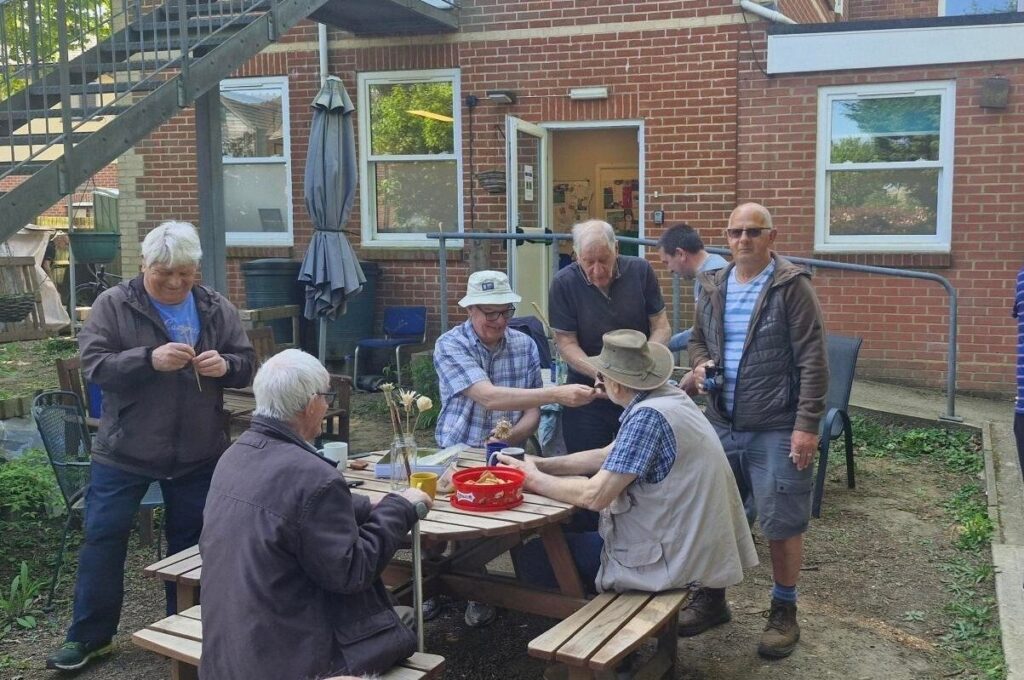
Healthy Horley PCN is one of the 10 networks shortlisted for PCN of the year. By developing a Health Hub, it has created a non-clinical community space where health and care providers, voluntary sectors, and community members collaborate. PCN transformation manager, Chloe Burchell, and clinical directors Dr Tom Rustom and Dr Elango Vijaykumar, explain more.
Horley PCN in Surrey serves a diverse population of 45,000 and champions community-led initiatives.
Through strong collaboration across its practices and with community and health partners, the PCN has developed a suite of innovative, person-centred services that improve outcomes and tackle health inequalities.
A flagship achievement is the Horley Health Hub, established in 2021 - a non-clinical community space offering a range of services, such as bereavement counselling, young people’s wellbeing support, peer-led groups, and gardening clubs. As well as reducing social isolation, these services have eased pressure on primary care.
Aims
Healthy Horley PCN identified a need to move beyond reactive, fragmented care towards an integrated, person-centred model that addresses the wider determinants of health. It was driven by growing demand from an ageing population, rising mental health needs, and widening health inequalities.
The case for change was built on local intelligence from patient engagement, population health data, and collaboration with community stakeholders. Understanding what truly matters to people – not just their medical issues – helped shape services that reflect local priorities. For example, we developed the Young Persons Wellbeing Service in response to needs identified by residents and schools.
To ensure integration and encourage patient engagement, we created the health hub in a non-clinical setting. It aims to foster the prevention of ill health, reduce social isolation, and empower residents to take control of their wellbeing.
What we did
So that the hub would sit independently of any healthcare organisation, we acquired a disused building near Horley town centre. The PCN’s lead practice holds the building lease.
To achieve meaningful change, the PCN built strong, trusted relationships across health, social care, and the voluntary sector. It has embedded integration at practice level and across the wider system. Shared clinical and non-clinical services are jointly delivered, supported by coordinated staffing and streamlined communication.
Weekly MDT meetings bring together GPs, district nurses, community matrons, occupational therapists, and social care teams to plan proactive care for high-risk patients.
The Horley Health Hub exemplifies integration in action — co-located services providing a trusted, non-clinical space for prevention, connection, and wellbeing.
Vulnerable groups
The Young Persons Wellbeing Service provides non-medicalised support for those aged 4–19 (up to 25 with additional needs), promoting self-management and resilience from an early age while helping families navigate healthcare. Currently, 48% of patients on the caseload have a diagnosis or suspected ASD/ADHD, and 31% are presenting with anxiety, confirming the need for early, accessible, community-based support.
The service integrates primary care with schools, youth services, and social prescribing to provide holistic, early intervention for young people.
Partnerships that extend beyond healthcare are also evident in other services we offer. For example, bereavement counselling, which is co-delivered with St Catherine’s Hospice, bridges primary care and specialist emotional support.
Collaborating with partner organisations has helped the uptake of physical health checks for patients with Serious Mental Illness (SMI) while employment specialists can address work as a determinant of health.
The Frailty Hub coordinates holistic care for elderly patients with complex needs by integrating primary, community and secondary care.
And the PCN works with the local mental health trust to offer timely access to mental health support and engages with the neighbourhood health and wellbeing network to co-create person-centred solutions.
Outcomes
In its first year, the Young Persons Wellbeing Service received 308 referrals. Analysis of 45 children and young people (CYP) showed that:
- 69% reported an improvement in their worries
- 62% reported an improvement in wellbeing at school and within their family
- 55% reported improved friendships
Overall, 95% experienced improvement in at least one area of wellbeing.
The Frailty Hub has reduced crisis interventions. Last year, 111 patients were supported at home to prevent hospital admissions.
An exercise and social group for older patients, co-designed by Growing Health Together and volunteer health champions, has also delivered impressive results. Over one year, the group led to a 75% reduction in GP appointments and a 67% reduction in GP workload across the initial 12-patient cohort. Additionally, 83% of participants achieved weight reduction and 60% improved HbA1c levels – strong indicators of better physical health and prevention of disease progression.
There have been benefits for the workforce too. Shared delivery models have improved morale, reduced pressure on individual practices, and enhanced multidisciplinary teamwork. The PCN makes full use of ARRS roles, offering development pathways and team-based support that contribute to a more sustainable and resilient workforce. Staff report higher job satisfaction from working in an integrated, supportive system that delivers tangible benefits for patients.
Future
The PCN’s inclusive and integrated approach continues to shape a model of care that is holistic, scalable, and deeply rooted in community need. By aligning resources and goals, Horley PCN has created a sustainable system that delivers better patient outcomes and a stronger, more resilient workforce.
After starting small with our Young Persons Wellbeing Service to demonstrate impact, we are now exploring further collaboration with CAMHS to support patients on waiting lists. We are also working with local schools to deliver wellbeing sessions in partnership with others.
Tips for creating a non-clinical space
- Empower staff to lead on projects and shape services with the wider team – this boosts morale and retention.
- Value volunteers – our volunteers have been a vital extension to our workforce. Giving them ownership over initiatives has enabled many of our groups to thrive.
- Co-develop services with colleagues and community members from the start.
- Invest time in developing relationships across primary care, community services, the voluntary sector and the community.
- Use non-clinical settings for delivering personalised care. Our Health Hub has demonstrated that people engage differently in a community-based and welcoming environment - it reduces stigma, improves access and encourages self-care.
- Focus on small and achievable interventions that can be delivered quickly and scaled over time. Be open to new approaches and adapt your service based on feedback.
This is one of 10 PCNs shortlisted for PCN of the Year at the General Practice Awards. The winners will be revealed at the awards ceremony on Friday 5 December at the Novotel London West. If you’d like to be there on the night you can find out more here and book tickets here.
