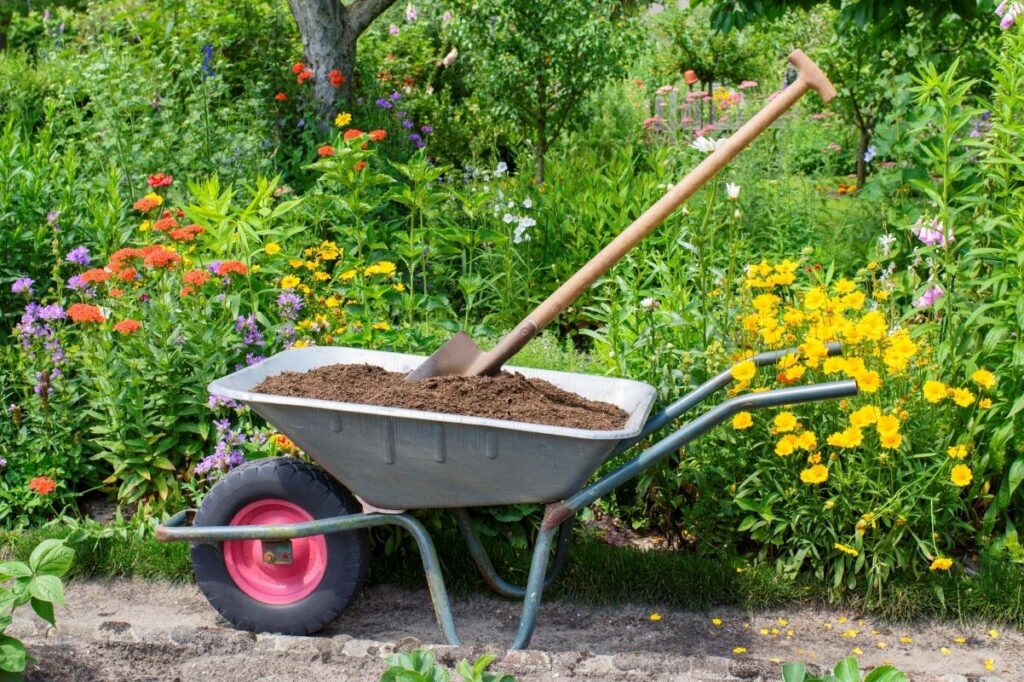
A PCN in West Yorkshire has revitalised a neglected outdoor area, turning it into a community garden that promotes health equality and supports the wellbeing of patients, staff, and the wider community. Dr Louise James, former clinical director of The Mast PCN and GP partner at Skelmanthorpe Family Doctors, explains how the project came about.
The Mast PCN has transformed a previously unused outdoor space in Huddersfield into a thriving wellbeing garden for patients, staff, and the local community. Designed as a space for learning, health, and wellbeing in a natural environment, the garden supports physical and mental health by bringing together different members of the community to enrich one another’s lives.
The garden has helped to address health inequalities by providing a space for growing produce and spending time in nature. By engaging different sections of society and organisations, we have created a successful project that will continue to evolve, achieving our common goal of improved health and wellbeing.
Aims
The idea began in 2021 when the PCN identified grassed land around Skelmanthorpe Family Doctors as a potential site.
We wanted to create an area to complement the work carried out by the personalised care team and run alongside health inequalities projects. The hope was that it would also be used by wider primary care partners, such as the voluntary sector, community providers, and hospices.
The site was owned by NHS Property Services (NHSPS) and was unused, aside from being mowed occasionally. I made the initial enquiries to NHSPS to discuss the idea in the summer of 2021, and the project was taken on as part of its social prescribing green spaces initiative. This gave us £12,000 to cover the design, materials, path construction, hedging and plants.
Jane Bradley and Karen Thewlis from NHSPS were involved in the initial stages of the setup, which involved acquiring the funds and ensuring all the necessary legalities were in place for the use of the land. The next stage was project managed by Martin Meltzer from NHSPS, who arranged the design and first stages of the project, including the installation of paths and bases for garden buildings and hedging.
Approach
Work began in the garden in January 2022. The pathways and foundations for the garden buildings took a couple of weeks to complete, followed by the fencing and hedging.
We applied for funding from Locala, a local not-for-profit Community Interest Company (CIC), and received £ 3,000 through their social enterprise scheme. This allowed us to fund the next part of the project, which included purchasing a summer house and creating raised beds. A community grant from our local Dobbies Garden Centre gave us another £350 to purchase more plants, some tools and compost.
And we approached local businesses to ask if they would provide us with items such as benches and old tyres for planting. When a local pub was replacing its picnic tables, the old ones came our way and were made good by the local Girl Guides. Upcycling and reusing are strong themes in the garden.
To help create the garden, our social prescriber identified patients who may benefit from participating in a project like this. Even after the garden was set up, this approach has continued, and a core group of volunteers attend on a weekly basis. The social prescriber – and indeed anyone working at the PCN - still signposts patients to this group. As a result, it has brought together a diverse range of patients.
Hard work from PCN staff and family members, NHSPS volunteers and the Girl Guides over spring ensured the garden was ready for its grand opening on 2 July 2022.
Outcomes
Currently, the main focus is on the social prescribing and personalisation team, which includes a health and wellbeing coach. They have held a series of events.
For example, there have been get-togethers for parents, such as a Quali-tea time event for carers of children under one, which was part of the health inequalities focus for the PCN. Our social prescriber has organised various mental wellbeing events and held weekly drop-in sessions at the garden over the summer holidays.
We’ve also had a breast cancer awareness event, where bras were planted up with summer flowers. An open day to promote the garden in June last year was well received and included a visit from our local MP, Jade Botterill.
The volunteers have made links with the local foodbank, The Pantry, to share the produce and have had soup days using the produce they’ve grown.
The garden is also used by practices for staff training and wellbeing.
Benefits and Challenges
The garden has helped many patients since it started, including a 36-year-old unemployed male with anxiety and caring responsibilities for his mother. The garden enabled him to develop skills in sustainable community gardening, giving him a sense of purpose and focus. He is developing skills that he hopes will lead to finding employment that fits around his caring responsibilities.
Another patient is a 27-year-old male with learning difficulties and social isolation who was initially reluctant to engage with the community garden. With gentle encouragement, he contributed to building a garden model that encapsulates the vision for the garden. After that, he gradually took steps to visit the garden in person, which he achieved last December. He now feels confident enough to volunteer in the garden.
The garden has even helped those unable to visit, such as a 23-year-old female patient who was discharged from mental health services due to a lack of engagement. She has been housebound for four years and increasingly socially isolated. Although unable to attend in person, the garden has inspired her to pursue photography. As a result, she has exhibited her work and set up a business, fostering purpose and independence.
There have been challenges too. Changes in staff and roles at the PCN have affected the focus on developing the garden. And, as with many projects, there was great enthusiasm at the start, but this has dwindled over time. We run the garden on minimal funding and rely on goodwill and donations or applying for grants, which can be difficult.
Future
We continue to work hard, raising awareness of the garden so that more people can get involved. We promote the garden online, featuring it on the PCN website and those of member practices. We also use Facebook and rely on word of mouth. As a result, new groups frequently contact us to inquire about using the garden.
We plan to develop this further by hosting events tailored to specific groups. For example, we hope to involve children from local schools, as well as more of the voluntary sector, particularly dementia groups and a veterans’ hub.
And the personalisation team will continue to hold regular sessions in the garden, using the space to conduct appointments for individuals and groups.