
Supporting first contact practitioner (FCP) podiatrists requires appropriate protocols and access to mentorship, writes Louis Mamode.
I have worked as a first contact practitioner podiatrist for the past six years, gradually increasing my scope of practice over time to seeing most foot and ankle lower limb issues presenting in primary care.
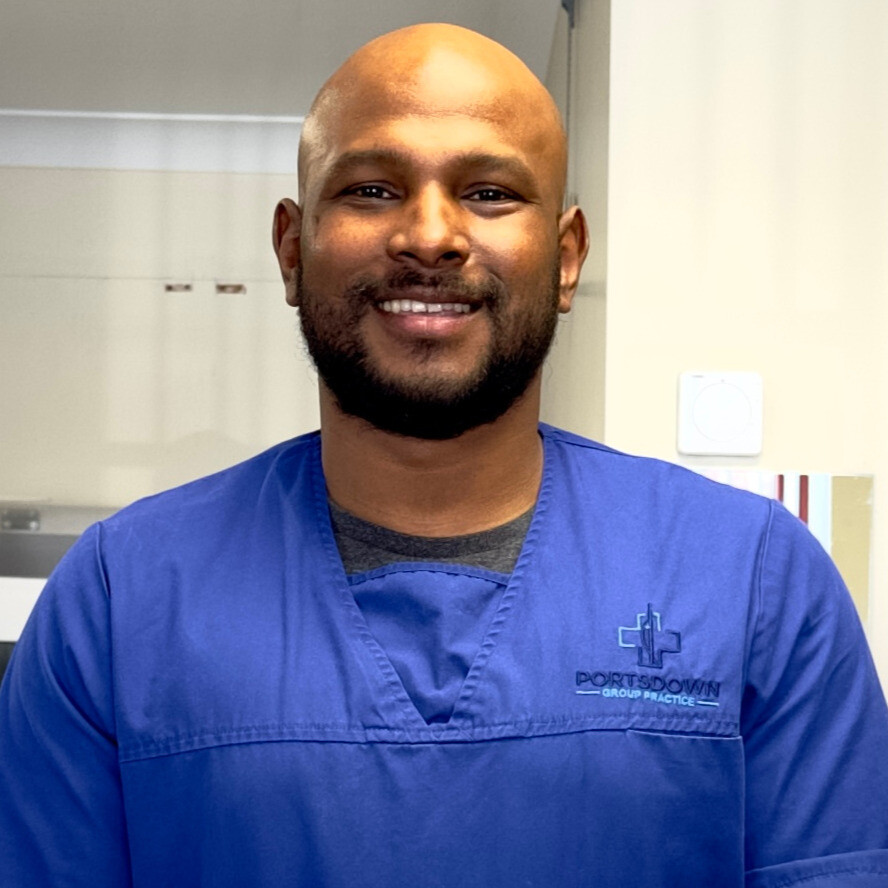
This is instead of the patient seeing a GP – allowing them to receive specialist input from the first point of contact, increasing capacity in primary care and directly freeing up GP time. For instance, I work a 10-hour day on Fridays, offering 20-minute podiatry appointments, which are usually fully booked. That equates to 24 patients who would otherwise have seen their GP.
GPs also don’t have the same deep training in the ankle and lower limb that podiatrists do; If someone comes in with foot pain, an FCP podiatrist can get to the root of where the pain is, provide a diagnosis and refer them to the right service.
Developing protocols
I am fully embedded within the wider multidisciplinary team and feel well supported by my GP colleagues and the wider clinical team. However, there were challenges at the start such as inappropriate booking which I would attribute to a lack of knowledge and understanding of the scope of practice of FCP podiatrists.
For example, patients would be booked in for corns and calluses and nail cutting as this was the perception of a podiatrist’s scope of practice. I was able to address this misconception by educating my primary care colleagues and set an inclusion criteria and protocol in place for reference.
When a PCN is employing an FCP podiatrist, it is important for them to be aware of the level of practice that comes with the role. A podiatrist at this level is equivalent to a Band 7, highly specialist, senior clinician in the NHS with years of experience and a strong knowledge base and this needs to be reflected within their new job role within primary care to allow them to thrive.
An FCP podiatrist does not replace existing local NHS podiatry services; rather, they are a ‘generalist’ advanced clinician in primary care that work across different body systems such as musculoskeletal, dermatology, neurology and vascular.
They are well placed as skilled diagnostician to differentiate, diagnose, manage or refer most foot and ankle and lower leg conditions and pick up on potential systemic manifestations of the lower limb such as heart failure, diabetes and inflammatory arthritis that requires multidisciplinary input.
Support and mentorship
However, transitioning into primary care can be challenging and a steep learning curve that requires a period of mentorship and supervision to acquire primary care specific knowledge and skills, akin to any clinician from other professions moving into primary care.
PCNs can support FCP podiatrists by assigning a GP supervisor or advanced practitioner at the start of their role to provide guidance and mentorship. It’s important to know where your podiatrist has come from before arriving in primary care; they may have specialised in MSK, diabetes or rheumatology – but working in primary care involves a wider scope of conditions and more differential diagnoses. Having a GP mentor or adviser really helps to hone a podiatrist’s skills.
I believe an FCP podiatrist can be a vital asset in primary care – and for practitioners, there are opportunities to learn and develop new skills and areas of interest; for example, in dermatology, examining skin lesions on the foot and ankle.
However, PCNs needs to be aware of the potential obstacles that can prevent podiatrists from thriving by addressing misconception regarding our scope of practice and by providing a period of support while we attain primary care specific skills and knowledge.
Louis Mamode is a first contact podiatrist and advanced clinical practitioner in primary care, working for the Portsdown Group Practice – a single PCN practice with responsibility for more than 60,000 patients across six surgeries in Portsmouth.