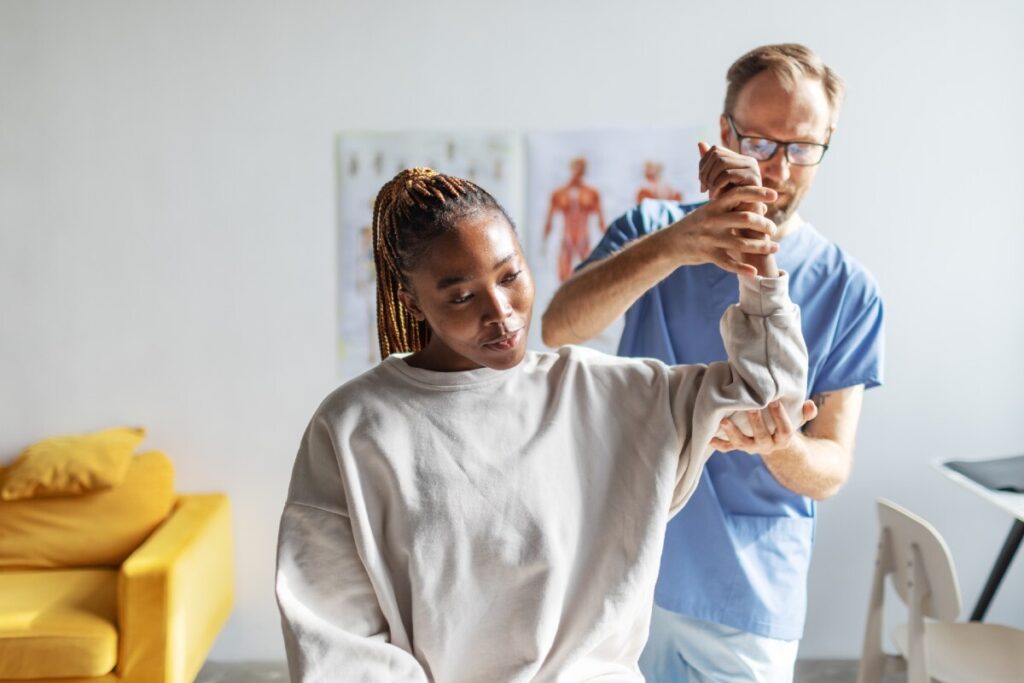
Embedding specialist expertise where it can make the biggest difference is good for patients and good for GPs, explains first contact physiotherapist (FCP) Matt Harrison – but the challenge is to create a cohesive and sustainable service.
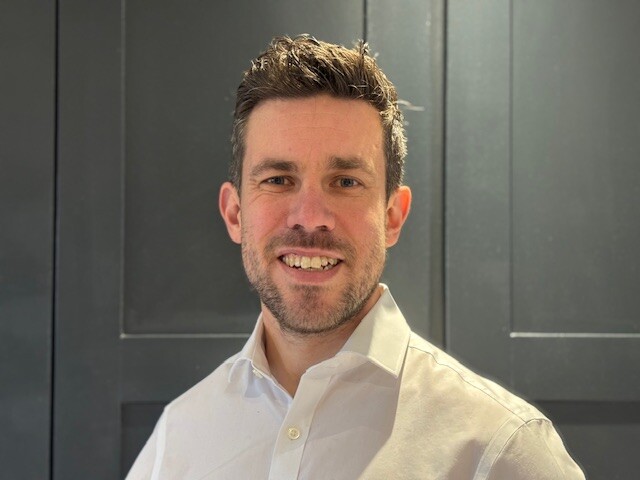
When I joined London Fields PCN within the Homerton Hospital FCP Service in City and Hackney as a first contact physiotherapist in September 2020, the service was brand new and launching in the middle of the Covid-19 pandemic.
Four years later, I believe the model has matured into something that delivers faster access, improved outcomes, stronger connections across the primary care team and better links with community services.
The FCP role is transformative because it gives patients direct access to musculoskeletal (MSK) expertise without needing to see a GP first. We’re the true first point of contact. People come via reception or triage and book straight into our clinics. That quick access helps patients, but it also frees up GP time.
Being based inside general practice is key. If I need to speak to a GP, pharmacist, paramedic or social prescriber, I can do it instantly. Without that set up, referrals might take weeks or months and involve a lot of admin. Here, it’s often just a knock on the door or flagging something via our internal messaging system.
This connectedness also enables our team to launch innovative projects. One example is the PCN’s ‘health hub’ which is offered on the first Tuesday of every month; it gives patients direct access to physiotherapy advice, housing advice, vaccinations and social prescribing under one roof.
Our service operates in a very multicultural area with a wide mix of socio-economic backgrounds so it’s about responding to what’s happening in our community and meeting people’s needs in a joined-up way.
Building trust
I have also seen how familiarity and continuity make a difference having been working in the same service for more than four years now. I often see people I treated years ago coming back to me by name. That’s a huge positive. They know what to expect, they trust the service and I already understand some of their history. For patients with complex needs, that familiarity can remove barriers and speed up care.
That trust extends to clinical colleagues in that my relationships with GPs and other staff is far stronger than when I worked in a traditional hospital-based MSK service. We share space, ideas and tackle problems together.
For the wider NHS, all the evidence shows that the FCP role massively improves efficiency. Our existing MSK service now gets around 30% of its patients via FCPs. Those referrals are usually higher quality, with better initial work-up and more informed patients. That means better use of secondary care, more appropriate imaging requests and fewer unnecessary orthopaedic referrals.
We are also advanced practice practitioners and can identify red flag cases early. I see them weekly. If it’s a medical red flag, I can walk next door and get a GP’s input straight away. If it’s an MSK concern, I can link in with our hospital physio team at a daily lunchtime meeting to review tricky cases. That’s the benefit of having strong clinical governance and being embedded in a bigger team.
The importance of listening
Despite all the successes we’ve had, the challenge with FCP is making the model sustainable. The current funding structure under the Additional Roles Reimbursement Scheme (ARRS) has limitations. It covers the cost of staffing, but not the supervision, mentorship, management and development that are essential for a sustainable service. Those costs fall between organisations, and when budgets are tight, that can be difficult to resolve.
As part of the London FCP network it’s often raised by those who are employed as standalone FCPs that isolation and burnout is high. For junior clinicians, the learning curve is steep and without mentorship the risk to patients increases. People want to do a good job, but they need the right environment and support structures to develop.
If a PCN was considering setting up an FCP service, I would be the first to tell members that it's crucial to begin the process by encouraging everyone involved to sit round a table and really listen to each other. Integration is hard because everyone has different pressures. Having open and honest conversations allows you to accept some compromise to find solutions that work for both sides.
In the early days of setting up an FCP service, you’re focused on getting it running and seeing enough patients. But once the model is established, that’s when you can start to innovate whether that’s health hubs, community outreach or public education; for example, our webinars on common MSK conditions. This is something I’m immensely proud to have a hand in creating and delivering. It takes my job satisfaction up a notch.
The FCP role is ultimately so much more than simply treating MSK problems; it’s about embedding specialist expertise where it can make the biggest difference, building trust with patients and joining up care across the system.
Ultimately, when the set-up is right, we are good for patients, GPs and for the NHS. We just need to make sure the model supports us so that we can keep building on the role and delivering the care that patients deserve.